Hi there, {{ first_name }}.
I watched the new Game of Thrones series this week and couldn't stop thinking about... knowledge management?
Here's what's inside:
- An Egg can't swing a sword: what a knight and his squire taught me about AI and your Obsidian
- We recorded a 2-hour interview: insights from walking through a client's system
- What I'm busy with: PKM Summit, workshops, and something bigger
- Recent content: articles and videos from the past week
An Egg can't swing a sword.
I recently watched the new Game of Thrones series called A Knight of the Seven Kingdoms, where we have Duncan the knight, and Egg, the squire, and like the fucking nerd I am I started seeing the connections to the knowledge management tools I'm using.
Duncan is the knight. Without his sword and armour, he can still throw a punch, but can't do the things a knight needs to do.
The sword isn't just a thing Duncan holds. It's an extension of him. With it, he reaches further, strikes harder, moves differently. Take it away and he's a different fighter.
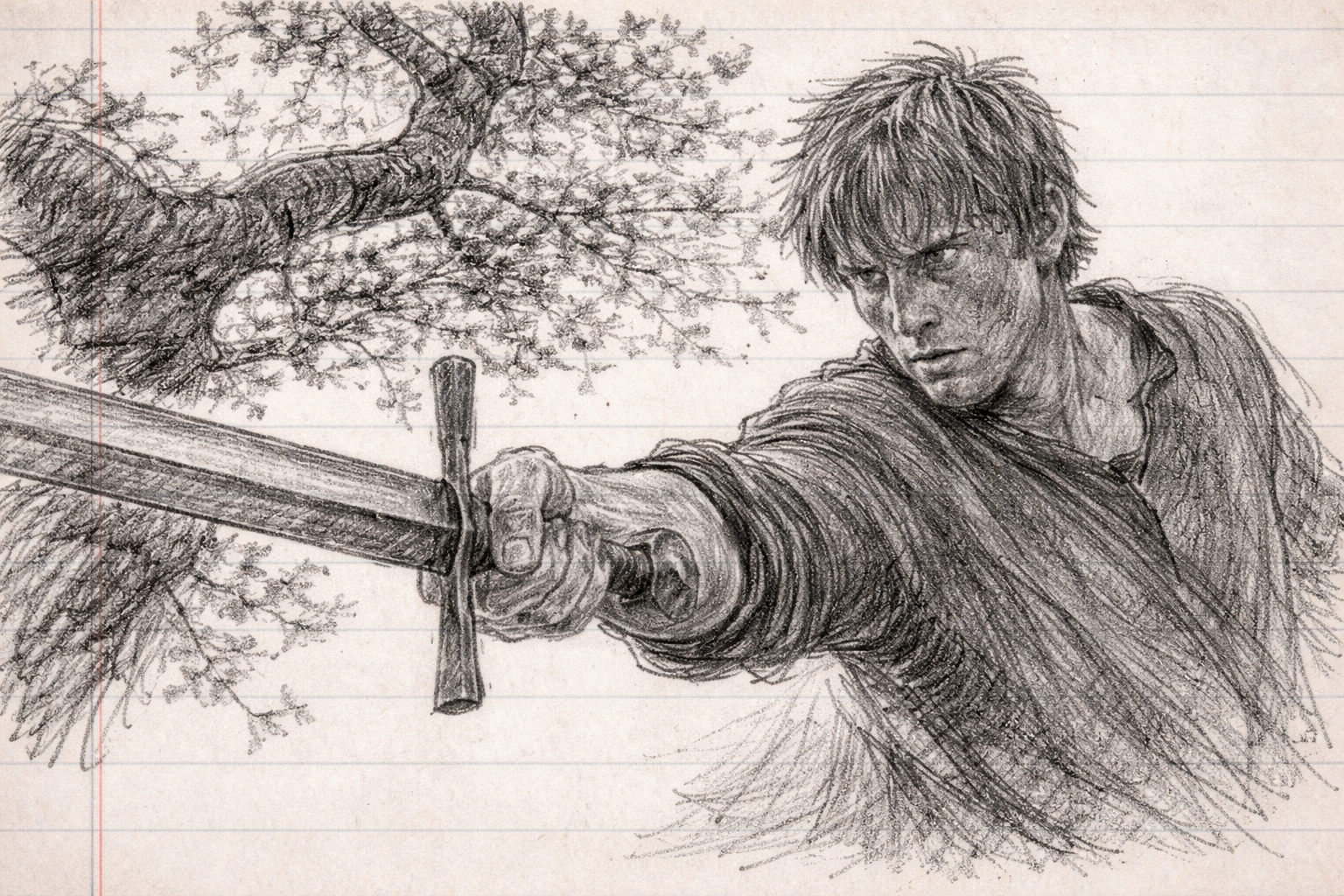
If you are here you already know this feeling. Your vault isn't just where you store notes. It extends what you're capable of thinking. Your links surface connections your brain forgot it made. Your structure holds context across weeks and months that your memory never could.
If my Obsidian vault got deleted tomorrow, I wouldn't just lose files. I'd lose a part of how I think. A small piece of my brain, chipped out. That's how deeply these tools become part of you. In cognitive science they call this extended cognition: your mind doesn't stop at your skull.
But there's a lot of admin that comes with these tools. The sword needs to be sharp. The armour needs to be polished and maintained. All of it makes Duncan a better knight, but none of it is fighting.
That's where Egg comes in. The squire. He sharpens the sword, polishes the armour, handles the logistics. Egg removes the friction so Duncan never has to stop being a knight to do maintenance.
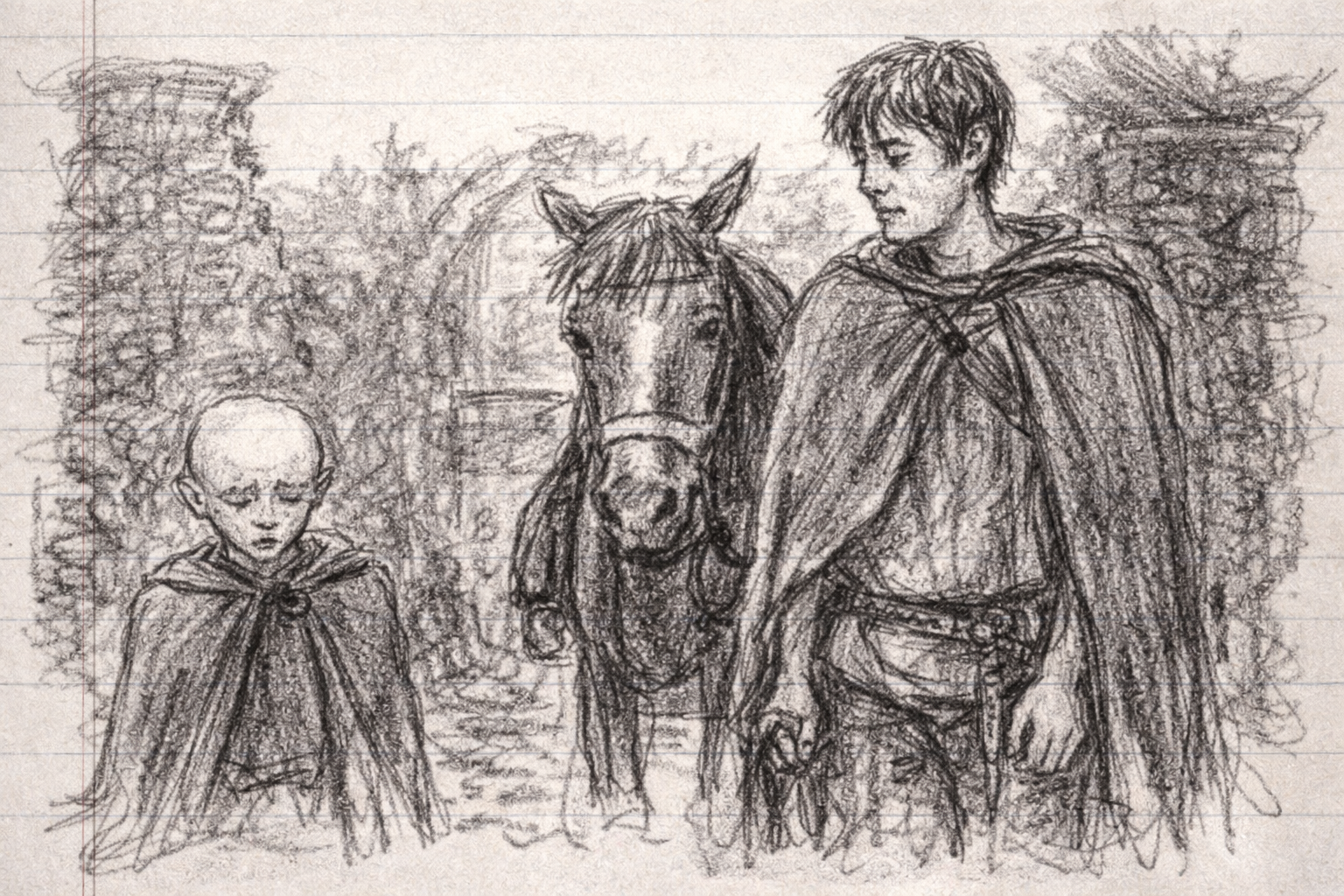
That's what AI is for me. That's what Claude Code is. It handles the formatting, the tagging, the linking, the filing. All the stuff that keeps the system running but isn't the actual thinking.
But here's the thing about Egg.
Egg can sharpen the sword. Egg can't (or rather, shouldn't) swing it.
Skills are built through doing. Duncan becomes a better fighter by swinging his sword, getting bruised, taking that feedback to better approach challenges in the future. In cognitive science they call this enacted cognition: understanding created through action.
When you decide what to capture, how to structure a note, what connects to what, that's you swinging the sword. The thinking happens in the doing. Not before it, not after it, in it.
This is the part most people get wrong with AI. You should know your structure. You should be the one enforcing it.
If you don't, if you let AI run wild in your vault and do the structuring in a black box without you understanding it, it starts modifying the sword in ways that don't reflect you. The tool stops being an extension of your mind. It becomes an extension of something else.
Once you don't understand your tools anymore, the connection between you and the sword is broken. And a sword you don't understand isn't useful anymore.
The optimal way is to use your squire to talk through how to make the tools better. You understand what it's doing. You can see how the sword is changing to your benefit. You're in the loop.
Anything more than that, where the squire starts making decisions without you, that's when things break down. The sword changes in ways you didn't choose. The structure no longer reflects how you think. And one day you pick up the sword and realise you don't recognise it anymore.
The outcome?
Now you're just a guy with a dull sword and a bold squire. Congratulations.
If you want to set up Claude Code inside your Obsidian vault with someone walking you through it, I run Claude Code x Obsidian workshops every couple of weeks.
We recorded a 2-hour interview
Just two weeks after his last consulting session, Gene had built so much with Obsidian and Claude Code that we hit record and spent two hours barely scratching the surface.
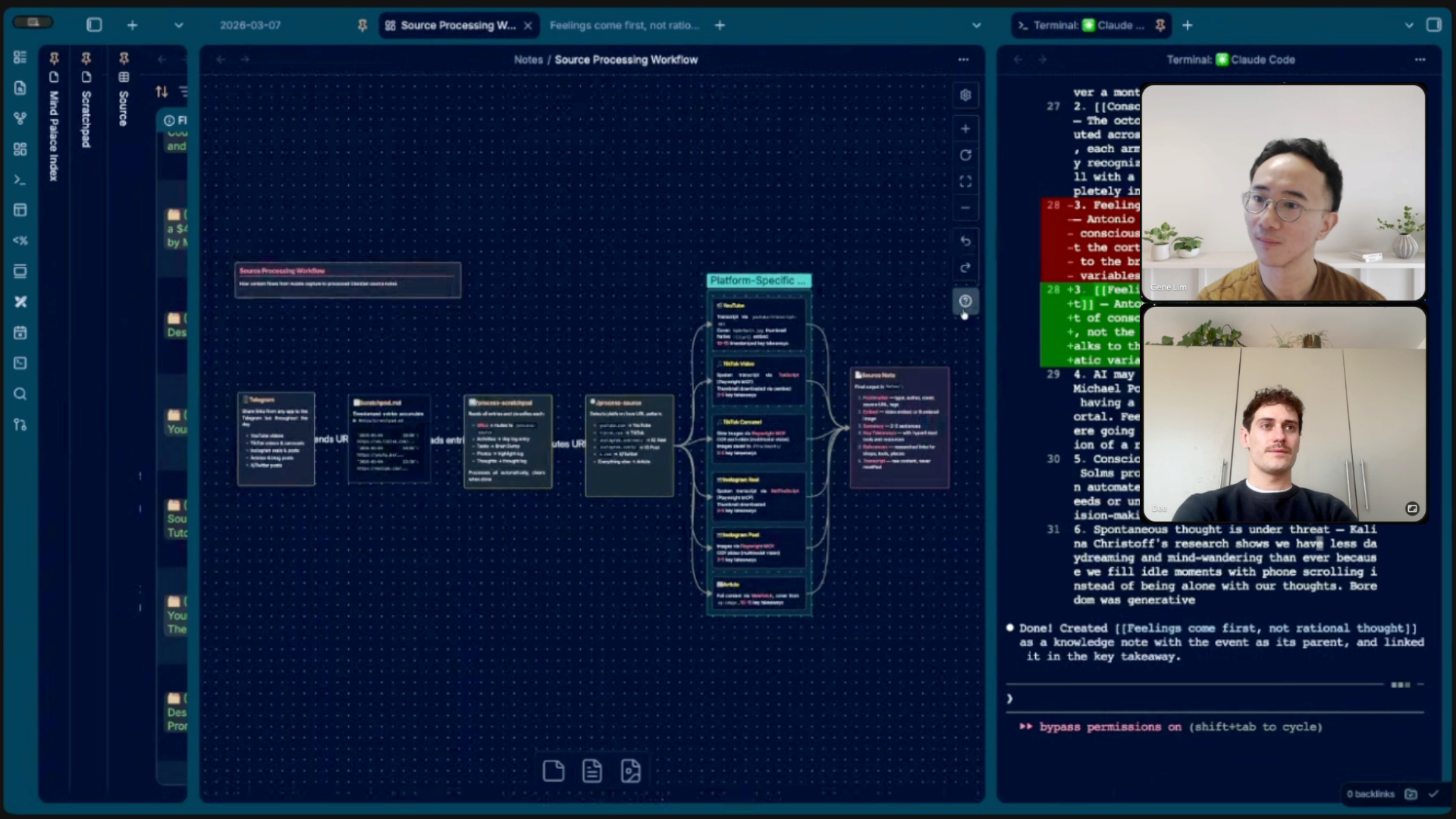
He'd tried every PKM app for years. Evernote, Notion, Logseq, Capacities. Nothing stuck. Now he's built 8 AI-powered tools inside Obsidian with no coding background.
Some insights from the conversation:
- The admin is what kills second brains. Every system he abandoned failed for the same reason: maintaining it was a second job. Claude Code turned capturing and retrieving into a non-event.
- He built a full source processing pipeline in two days with zero coding knowledge. YouTube transcripts, articles, Instagram carousels, all routed automatically. He cancelled his Readwise subscription because his custom version did exactly what he needed.
- Without structure, AI just creates its own mess. Claude Code without Obsidian's templates, naming conventions, and folder structure is chaos. The vault gives the guardrails. The AI operates within them. One without the other doesn't work.
- "If you're using AI and you're not having fun, you're not solving the right problem." The fun comes from solving real friction in your life, not from the automation itself.
The full video is still in the edit. Coming soon.
That system was built during a 3-session build. If you want the same thing tailored to your workflow, there are a few spots open for April.
What's coming next
- PKM Summit 2026 is next week (March 20-21). I'm presenting. If you're attending, come say hi.
- Claude Code x Obsidian Workshop - next session coming up soon. 90 minutes, we set up Claude Code in your vault together. You leave with a working system.
- Something bigger is coming. That client I mentioned? We're building something together. A live, hands-on cohort where we build your Obsidian from scratch over 3 sessions and implement all of these AI skills so you walk away with a knowledge management system that perfectly fits your life. No coding required. The cohort will be around €1,200. Early signups get a lower rate. Join the waitlist here if you want in.
Recent content
Articles:
- I Told Claude My Obsidian Was Ugly - Using Claude Code to create CSS snippets that color-code your tags and links
Videos:
- How to Color Format Your Obsidian Using Claude Code - The video version of the CSS styling walkthrough
Until next week,
Strength and Honour,
Dee


Responses